

Section 01
Buying a house with student loans may be possible because lenders evaluate the required monthly obligation, repayment status, income, other debts, assets, credit, and loan-program rules. A large balance alone does not provide enough information to determine eligibility.
The central question is not simply, “How much do you owe?” It is how the obligation must be documented and included in the complete mortgage analysis.
Section 02
Follow the Decision Path
- Start with the documented payment, not fear of the balance
- Understand how DTI fits into the review
- Compare payoff with preserving cash
- Test the real household budget
- Prepare the file before shopping
- Frequently asked questions
Section 03
How Student Loans Affect Mortgage Review
The credit report may show a required payment, zero payment, deferment, forbearance, or incomplete information. Loan programs can prescribe different ways to calculate an obligation when the reported payment cannot be used.
Federal repayment options can also change over time. Use current account records and official information rather than an old social-media example.
The Federal Student Aid site provides official tools for understanding federal student-loan repayment. Mortgage treatment remains a separate underwriting question.
Section 04
What Is DTI?
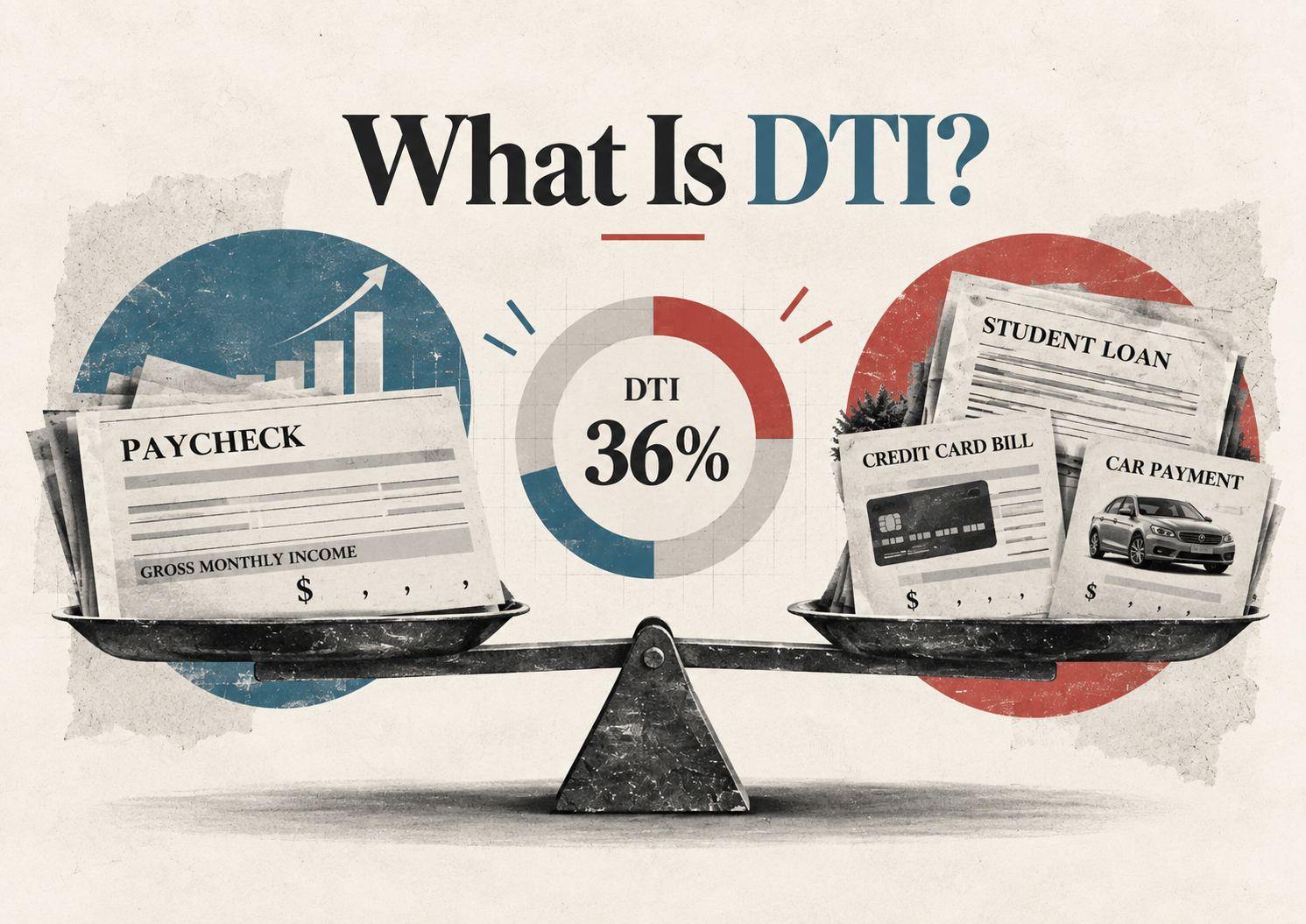
Debt-to-income ratio, or DTI, compares qualifying monthly debt obligations with gross qualifying monthly income. It is one part of underwriting, not a personal spending budget.
Student loans may affect DTI through the payment the lender is required to count. Credit cards, auto loans, support obligations, housing expenses, and other debts may also be included.
There is no single universal DTI maximum for every borrower and program. Automated underwriting, compensating factors, reserves, credit, property, and lender standards can affect the decision.
Use the Wonder Rates DTI Calculator to estimate how your proposed housing payment and recurring debts compare with your gross monthly income. Ask your loan officer which student-loan payment to enter, since the amount used for mortgage qualification may differ from your current bill. Calculator results are educational estimates, not an approval decision. Wonder Rates
Section 05
Build the File From the Payment Outward
Download current loan records
Collect statements showing balance, status, required payment, loan type, and servicer. Resolve discrepancies before pre-approval.
Review every credit report
Confirm that accounts are yours and status information is accurate. Dispute genuine errors through the appropriate process, but do not hide valid debt.
Understand the mortgage program’s calculation
Ask how the selected program treats the documented payment, deferment, or zero payment. Do not assume one lender’s explanation applies everywhere.
Build a real household budget
Mortgage DTI does not capture groceries, childcare, travel, medical costs, utilities, or every future repair. Decide what payment remains comfortable alongside student debt.
Compare debt payoff with cash reserves
Paying down a loan may or may not change the required monthly obligation. Using all savings can leave too little for closing and emergencies.
Review what cash reserves mean for a mortgage before deciding how much savings to use for debt reduction.
Avoid changing repayment plans blindly
A lower payment may help cash flow, but repayment choices can affect total cost, forgiveness strategy, documentation, and future changes. Review the complete consequence.
Get reviewed before shopping aggressively
Early analysis gives time to collect documents, correct errors, and choose a realistic price range.
Section 06
Should You Pay Off Student Loans Before Buying?

Not automatically. Consider the required payment, payoff amount, available reserves, other higher-cost debt, emergency needs, and housing timeline.
Paying a large balance solely to “look better” can be inefficient if the monthly obligation barely changes. Conversely, resolving a small loan with a meaningful payment may improve monthly cash flow. Ask for scenario analysis rather than relying on the balance alone.
Before committing savings to a student-loan payoff, compare buying a home while paying off debt with keeping those funds available for your purchase. The goal is to understand whether the proposed payoff improves your mortgage scenario enough to justify the cash used.
Section 07
Deferment, Forbearance, and Zero Payments
A zero payment on the credit report does not necessarily mean the lender will count zero. The program may require another calculation or supporting documentation.
Provide current statements and the terms of any repayment plan. If forgiveness or discharge is pending, ask what final evidence is required before the obligation can be treated differently.
Section 08
Buying Through an Assumable Mortgage
Some buyers explore an assumption as an alternative purchase structure. Cathryn’s article on an assumable mortgage explains that the buyer may still need approval and must address the seller’s equity. Student debt remains part of the buyer’s full financial review when required.
Section 09
Common Mistakes
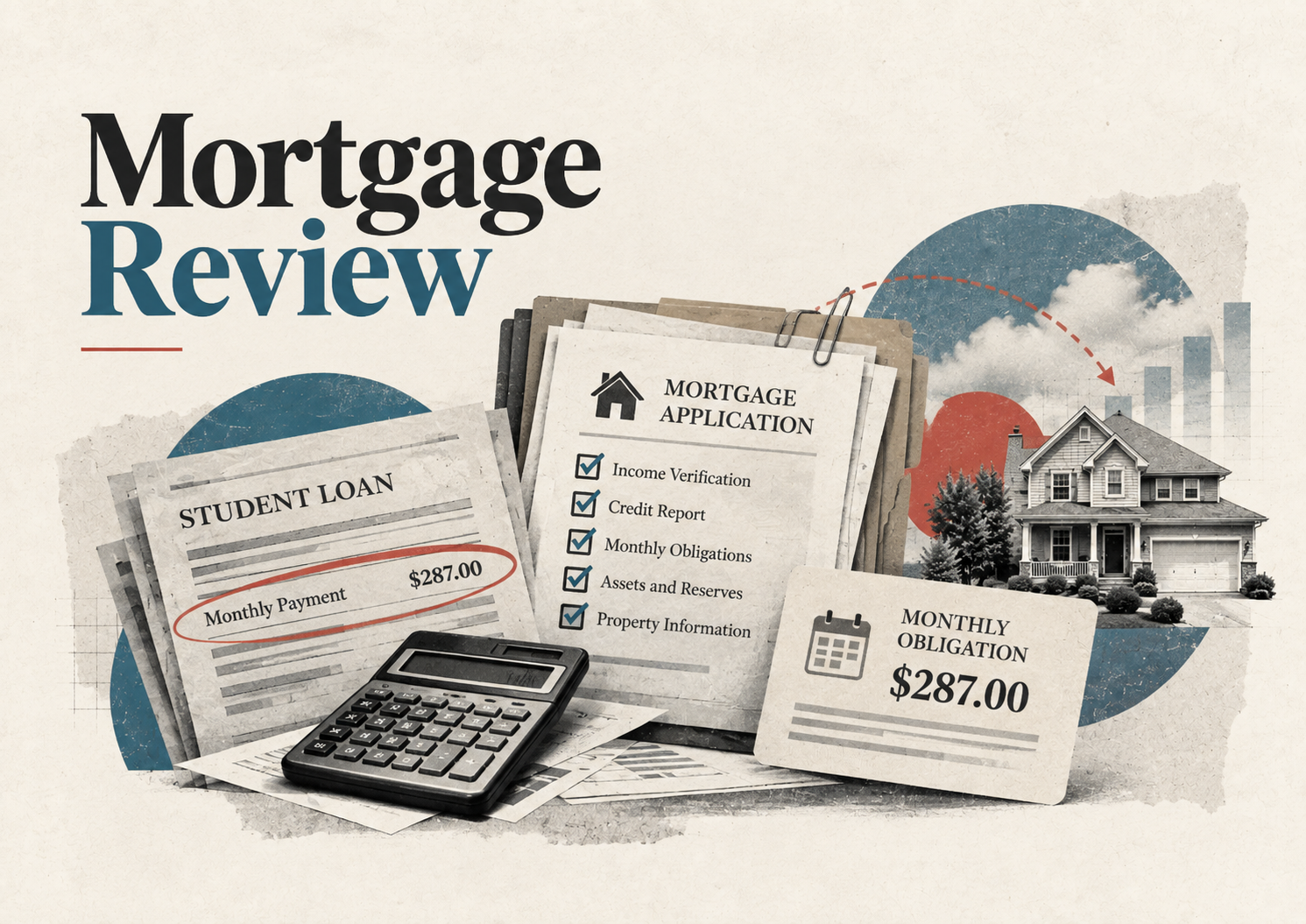
- Ignoring loans because they are deferred
- Applying without current servicer statements
- Using all savings to reduce debt
- Opening new credit before closing
- Assuming forgiveness is complete before official discharge
- Choosing a repayment plan only for mortgage qualification
- Comparing approval with true affordability
Section 10
Three Borrowers With the Same Balance
Imagine three buyers who owe the same total amount. One has a documented required payment and stable salary. Another is in deferment and has limited savings. The third is pursuing an official forgiveness path but has not yet received final discharge.
Their balances match, but the mortgage analysis and personal budgets may differ. The lender must apply the selected program’s rules to each documented status. The household must also decide whether the future payment is affordable after taxes, insurance, repairs, and other living costs.
This is why online comparisons can be misleading. A friend who qualified with student debt may have used a different program, income structure, repayment status, or down payment.
Section 11
A 90-Day Preparation Plan
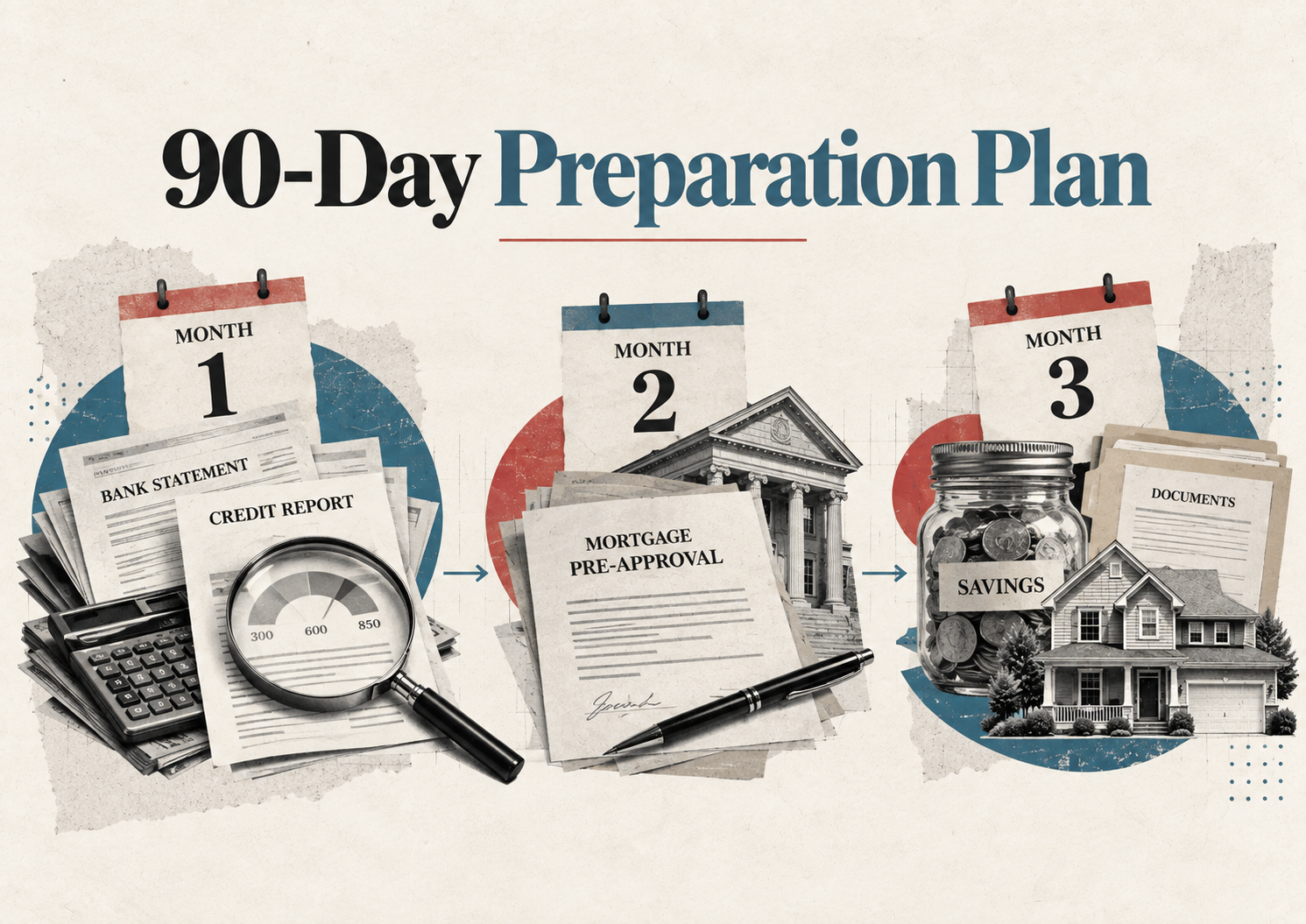
During the first month, download current statements, review credit reports, list all debts, and build a realistic monthly budget. During the second month, request an early mortgage review and clarify how the student-loan payment will be calculated. During the third month, preserve cash, avoid new credit, and gather updated employment and asset documents.
Do not make a large payoff or change repayment plans during this period without understanding the effect. Ask the loan officer to compare the current scenario with the proposed change.
Section 12
Questions to Ask the Loan Officer
- Which payment amount will be used?
- What documents are required for the current status?
- Would a payoff or paydown actually change qualification?
- How would a different loan program treat the obligation?
- How much cash should remain after closing?
- What changes must be reported before funding?
- Does a co-borrower improve the file after all debts are included?
The purpose of these questions is not to find a loophole. It is to select a structure supported by accurate documents and a sustainable budget.
Section 13
Frequently Asked Questions
Can student loans stop me from buying?
They can affect qualification, but the result depends on the required payment treatment and the entire file.
Does the lender count the balance or payment?
Mortgage analysis generally focuses on the required monthly obligation, but program rules determine the calculation.
Can a parent loan affect my mortgage?
If the borrower is legally obligated, the debt may need to be considered. Documentation matters.
Should I consolidate before applying?
Consolidation can change terms and payment reporting. Review both student-loan and mortgage consequences first.
Can recent graduates qualify?
Potentially. Employment, income, debt treatment, credit, assets, and program requirements all matter.
Section 14
Final Takeaway
Buying a house with student loans is a planning problem, not a simple balance test. Confirm the documented obligation, understand how the program treats it, preserve appropriate reserves, and measure the new housing cost against the real household budget.
Section 15
Final Readiness Check
Before making an offer, confirm that the pre-approval used current student-loan documents and the correct repayment status. Keep enough savings for closing, moving, and emergencies. Avoid new borrowing or an unreviewed repayment change. If forgiveness, consolidation, or discharge is still pending, ask what official evidence the lender would need before treating the account differently.
Most importantly, separate “may qualify” from “will feel comfortable.” The household should be able to manage housing and student obligations without depending on perfect future conditions.
If you are planning to buy a house with student loans, talk with a Wonder Rates loan officer about your purchase options. Bring your current student-loan statements so the team can review the applicable payment calculation, documentation, and estimated housing budget.
Duc Pham, Mortgage Broker | NMLS# 844897
Wonder Rates, Inc. | NMLS# 1518655
Equal Housing Lender.
AZ, CA, CO, FL, GA, LA, MI, OK, PA, SC, TX, VA, WA, OH, AL, OR, NC
This article is for educational purposes only and is not a commitment to lend or student-loan advice. Loan approval is subject to creditworthiness, income verification, debt obligations, assets, property eligibility, and current underwriting guidelines. Student-loan and mortgage program requirements may change without notice.



