

Section 01
A condo HOA lawsuit can affect mortgage approval even when the buyer has strong income, credit and assets. The lender is not only approving the borrower and the individual unit. It may also need to determine whether the condominium project meets the selected loan program’s requirements.
Not every lawsuit makes a project ineligible. The lender generally needs to understand who is involved, what the dispute concerns, the potential financial exposure, available insurance and whether the matter affects safety, structural soundness, habitability or functional use.
Section 02
Why the Entire Project Matters
 Condo owners share financial and legal responsibility for common elements through the homeowners association. A lawsuit involving roofs, balconies, foundations, water intrusion, elevators or fire-safety systems may create costs that cannot be isolated to one unit.
Those costs may result in:
- Higher HOA dues
- A special assessment
- Reduced reserves
- Insurance claims or exclusions
- Delayed repairs
- Difficulty selling or refinancing units
Fannie Mae explains in its general condominium project standards that project eligibility risk is distinct from the individual borrower’s credit risk. This is why a borrower can receive pre-approval and still encounter a project-level problem later.
Section 03
Not All Litigation Is Treated the Same
 The subject of the lawsuit matters more than the existence of a court case alone.
Potentially serious litigation
Litigation may create a major financing concern when it involves:
- Structural defects
- Building safety
- Habitability
- Water intrusion or mold affecting common areas
- Functional use of the property
- Significant uninsured damages
- Financial instability or insolvency
Potentially minor litigation
Some disputes may have limited impact, such as certain neighbor disagreements, non-monetary claims or matters fully defended and covered by insurance. The lender must still review the documentation instead of relying on the listing agent’s summary.
Fannie Mae’s current litigation and ineligible project guidance identifies project-level litigation tied to safety, structural soundness, habitability or functional use as a serious eligibility issue. It also describes circumstances in which minor matters may be acceptable after lender analysis.
Other investors and loan programs may use different standards.
Section 04
7 Essential Checks When Buying a Condo With an HOA Lawsuit
 1. Ask about litigation before making the offer
Do not wait until the lender sends a condo questionnaire. Ask the seller and agent whether the HOA, developer or project is involved in litigation, arbitration, mediation or a formal construction-defect claim.
Pre-litigation activity can matter when it is reasonably expected to become a lawsuit. A response of “there is no court case yet” may not tell the whole story.
2. Obtain the actual documents
Request available complaints, answers, settlement documents, attorney summaries, insurance correspondence and HOA notices. Buyers should also review meeting minutes, because boards often discuss problems before a lawsuit is filed.
The lender may request a legal opinion or clarification. The buyer should use an attorney for personal legal interpretation.
3. Review the HOA questionnaire
A condominium questionnaire may ask about:
- Pending or anticipated litigation
- Critical repairs
- Special assessments
- Delinquent HOA dues
- Reserve funding
- Insurance claims
- Commercial space
- Investor concentration
An incomplete or inconsistent questionnaire can delay project review. Ask the HOA or management company about its processing time and fee immediately after contract acceptance.
4. Check reserves and special assessments
Even if insurance is defending the HOA, the project may still face a deductible, uncovered repairs or legal expenses. Review the current budget, financial statements, reserve study and approved or proposed assessments.
Our guide to buying a condo with a special assessment explains how an assessment can affect both the buyer’s budget and the lender’s project review.
5. Confirm master insurance
The HOA’s master policy should be reviewed for coverage, deductibles, exclusions and claim status. Buyers also need the appropriate individual unit policy.
In markets with wildfire, hurricane or other catastrophe exposure, insurance problems may exist separately from the lawsuit. Read about insurance issues that can delay closing before relying on an estimated premium.
6. Ask the lender which project review applies
The required documentation may depend on the loan program, occupancy, loan-to-value ratio, project characteristics and review method. A prior approval from another transaction does not guarantee that the current file will receive the same result.
Ask:
- Has this exact project been reviewed?
- Is the existing review still current?
- What litigation documents remain outstanding?
- Is the review limited or full?
- What happens if the project is not eligible for the planned program?
7. Protect the contract timeline
Coordinate loan, inspection, document-review and HOA deadlines. Do not remove financing protections simply because the individual unit appraised at the contract price.
An appraisal and home inspection do not replace project review. The appraisal focuses on the unit and market value, while the project review examines broader risks.
Section 05
Example: Strong Borrower, Ineligible Project
Educational scenario only. A buyer is approved for a $600,000 condo with 20% down. The appraisal supports the price. The buyer has stable income and documented reserves.
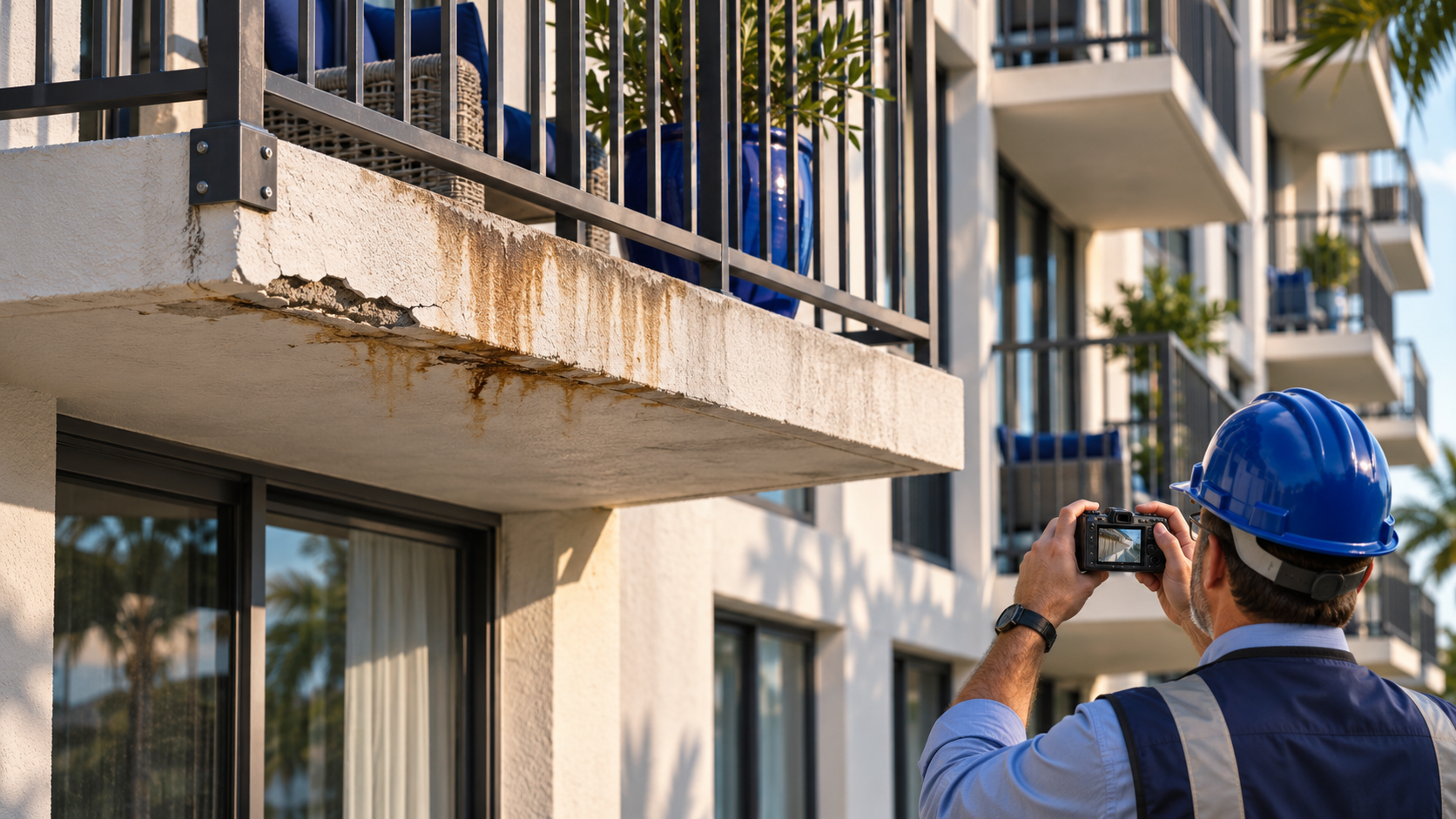
During project review, the lender learns that the HOA is defending a construction-defect lawsuit involving balcony waterproofing and structural deterioration. The insurer is reviewing coverage, repairs are not fully scoped and the HOA has not determined how much owners may need to contribute.
The problem is not the buyer’s DTI or credit score. The lender may pause or decline the planned loan because the project’s condition and financial exposure are unresolved. Another loan product may or may not be available, potentially with different pricing, down-payment or documentation requirements.
The buyer can use the Wonder Rates mortgage calculator to compare hypothetical payments, but a calculator cannot determine project eligibility.
Section 06
Should You Use a Non-Warrantable Condo Loan?
Some lenders offer financing outside standard agency project requirements. These programs may consider projects that do not qualify for conventional delivery.
Before proceeding, compare:
- Down-payment requirement
- Interest rate and fees
- Reserve requirement
- Prepayment terms
- Future refinance options
- Remaining legal and assessment risk
Alternative financing does not make the lawsuit harmless. It only addresses one part of the purchase.
Section 07
Frequently Asked Questions
Can I get a conventional mortgage if there is an HOA lawsuit?
Possibly. Minor litigation may be acceptable after review, while litigation involving safety, structural soundness, habitability or functional use can make a project ineligible under particular guidelines.
Does insurance coverage solve the problem?
It can reduce exposure, but the lender may still need evidence of defense, coverage limits, deductibles and uncovered costs. Insurance does not automatically resolve structural or habitability concerns.
Will pre-approval protect me?
No. Pre-approval primarily evaluates the borrower using available information. Condo project approval is a separate review that may occur after the property is identified.
Can the seller pay a future special assessment?
The contract may allocate an assessment, but payment alone may not resolve project eligibility, critical repairs or ongoing litigation. Obtain legal, lending and HOA guidance.
Section 08
Buying a Condo With Litigation?
A Wonder Rates loan officer can identify the planned project-review method, request required documents early and explain financing alternatives if the original program does not fit.
Ask Wonder Rates to review the condo project before you remove contingencies.
Duc Pham, Mortgage Broker | NMLS# 844897
Wonder Rates, Inc. | NMLS# 1518655
Equal Housing Lender.
AZ, CA, CO, FL, GA, LA, MI, OK, PA, SC, TX, VA, WA, OH, AL, OR, NC
This article is for educational purposes only and is not a commitment to lend or legal, insurance or HOA advice. Project eligibility varies by loan program, lender, documentation and current project conditions.



