Section 01
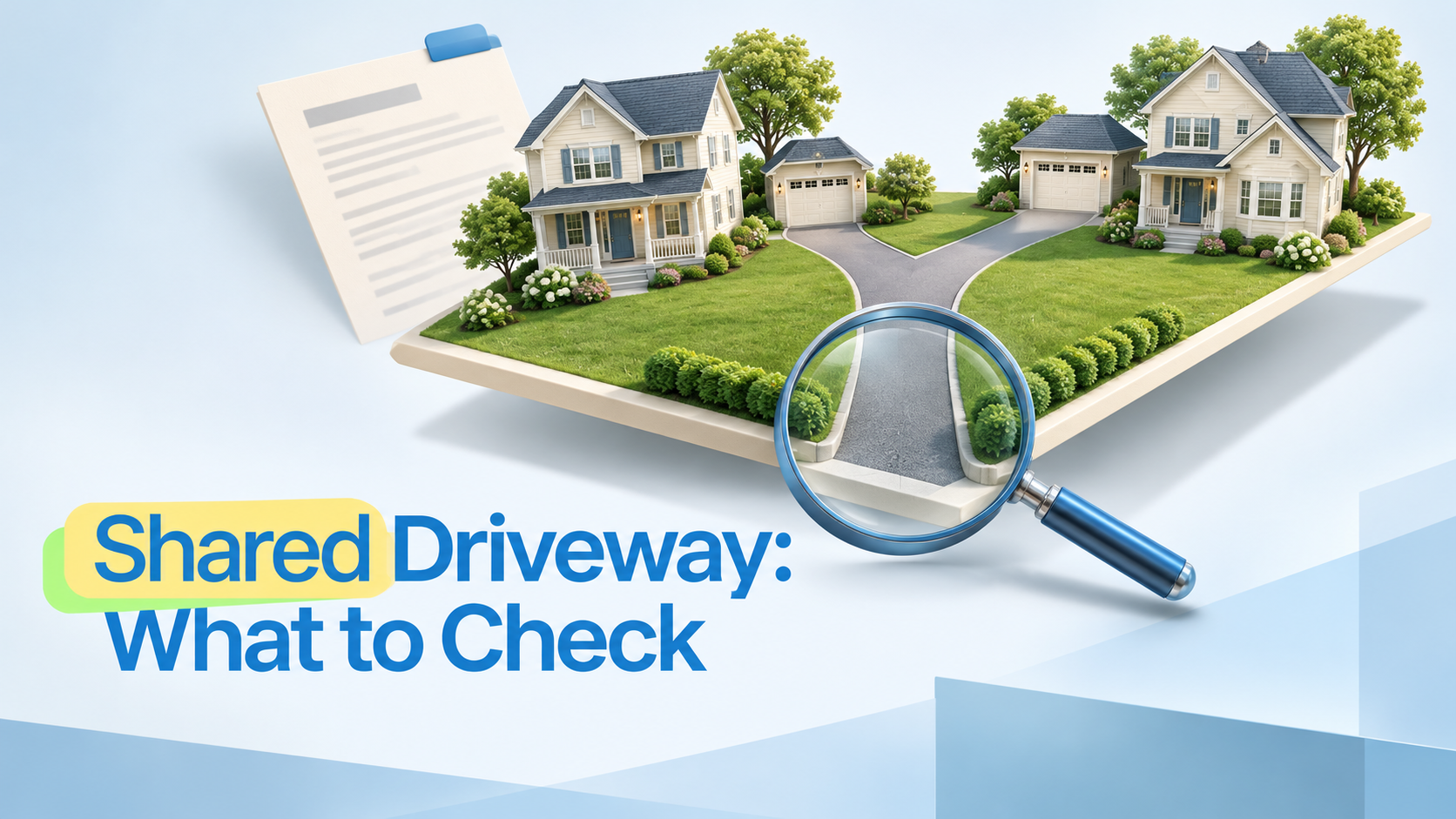
Buying a home with a shared driveway can work well when access rights and maintenance responsibilities are clearly documented. The risk is not the shared pavement itself. The risk is discovering after closing that nobody agrees about parking, repairs, snow removal, drainage, gates, or who pays when the driveway fails.
Before removing contingencies, review the recorded easement, title report, survey or site plan, maintenance agreement, insurance questions, and lender requirements. A friendly arrangement between current neighbors may not protect the next owners.
Section 02
What Is a Shared Driveway?
A shared driveway is used by more than one property to reach a public or private road. The physical layout varies. Two homes may share one entrance and then split into separate parking areas, or several properties may rely on the same private lane.
The legal rights can also vary. One owner may hold title to the driveway while another has an easement. Each property may own part of the surface subject to mutual access rights. An association may own and maintain the road. State statutes may assign certain responsibilities even when no separate agreement exists.
Do not assume the visible path explains the legal arrangement. The title records and applicable law control.
Section 03
Shared Driveway, Easement, and Private Road
These terms are related but not interchangeable.
A driveway is the physical route used for access and parking.
An easement is a legal right to use another person’s land for a defined purpose. An access easement may permit vehicles to cross a neighboring parcel without transferring ownership of that land.
A private road is not maintained as an ordinary public street. Maintenance may belong to adjoining owners, an association, or another private party.
The documents should explain the location, permitted use, beneficiaries, maintenance duties, and whether the rights bind future owners. A real estate attorney or qualified title professional should interpret ambiguous language.
Section 04
Eight Checks Before Buying a Home With a Shared Driveway
1. Confirm legal access
A house needs practical and legally enforceable access. A driveway used for decades is not automatically proof of a recorded right that satisfies title and lender review.
Ask the title company to identify the recorded instrument that creates access. Confirm that it benefits the property being purchased, covers the route actually used, and remains effective after ownership changes.
Fannie Mae requires appraisers to consider access, easements, off-site improvements, and their effect on marketability. Its current guidance explains requirements for private streets, access, and maintenance agreements. Other programs and lenders may apply different requirements.
2. Read the maintenance agreement
A useful agreement should address more than a general promise to “share costs.” Look for:
- Which owners are responsible
- How repair costs are allocated
- Who chooses contractors
- Whether approval is required before work begins
- How routine maintenance differs from emergency repairs
- Remedies when an owner does not pay
- Insurance and indemnity provisions
- How disputes are resolved
- Whether the agreement binds future owners
If no agreement exists, ask the lender, title company, and attorney what law or documentation applies. Do not draft a last-minute agreement without qualified review.
3. Compare the document with physical reality
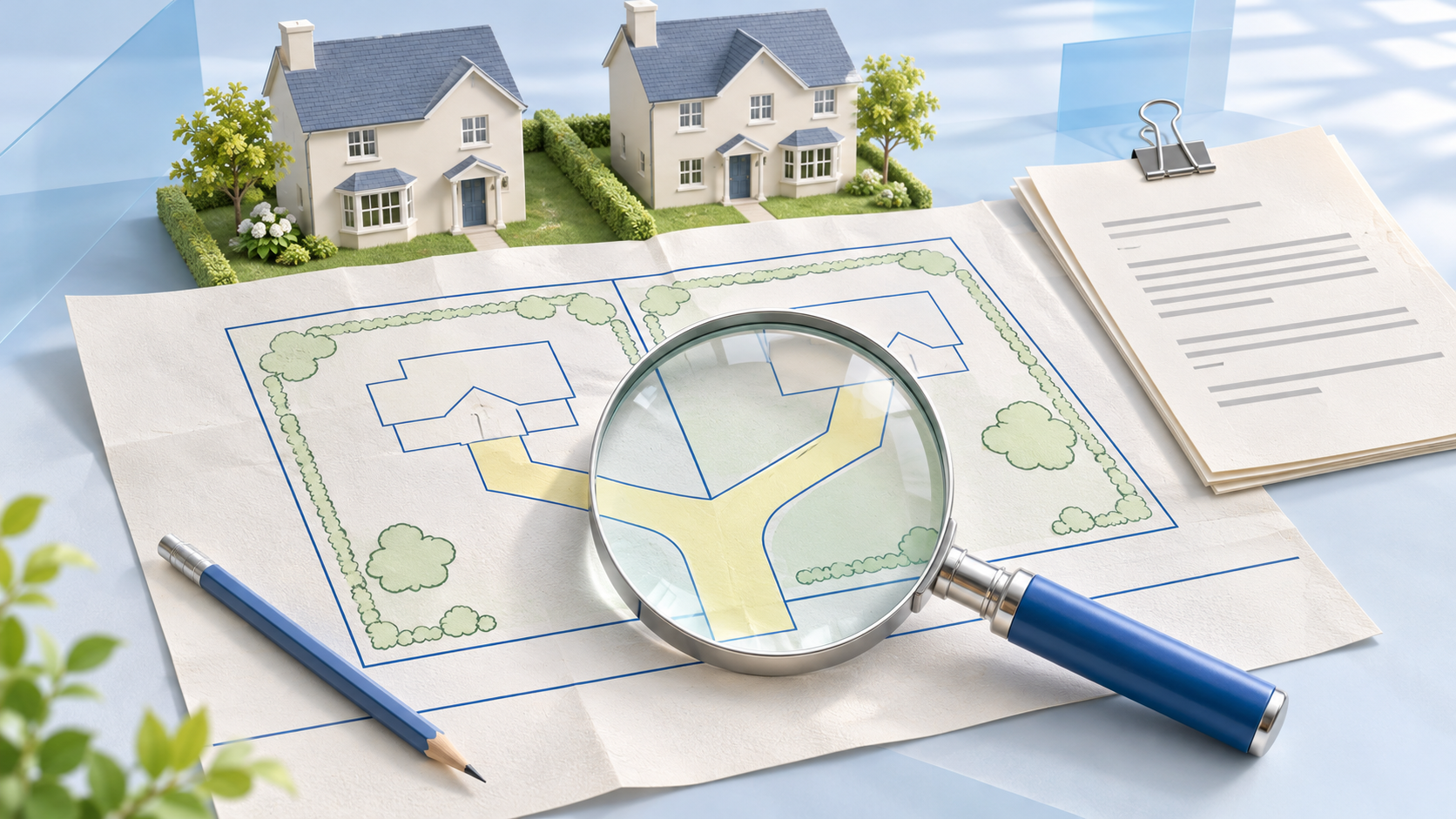
An old easement description may not match the current pavement, gate, retaining wall, or landscaping. A fence or addition may encroach into the access area.
A survey or appropriate site plan can help identify boundaries and improvements. A home inspection is different from a survey and does not establish legal ownership. Wonder Rates’ guide to appraisal versus inspection explains why different professionals answer different questions.
4. Investigate parking and obstruction rules
Access rights do not always include parking rights. Ask whether vehicles, trash containers, delivery trucks, recreational equipment, or construction materials may block the route.
Observe the property at different times if practical. Look for tire paths, parked cars, gates, narrow turns, low branches, drainage channels, and whether emergency vehicles can reach the house.
5. Review drainage and surface condition
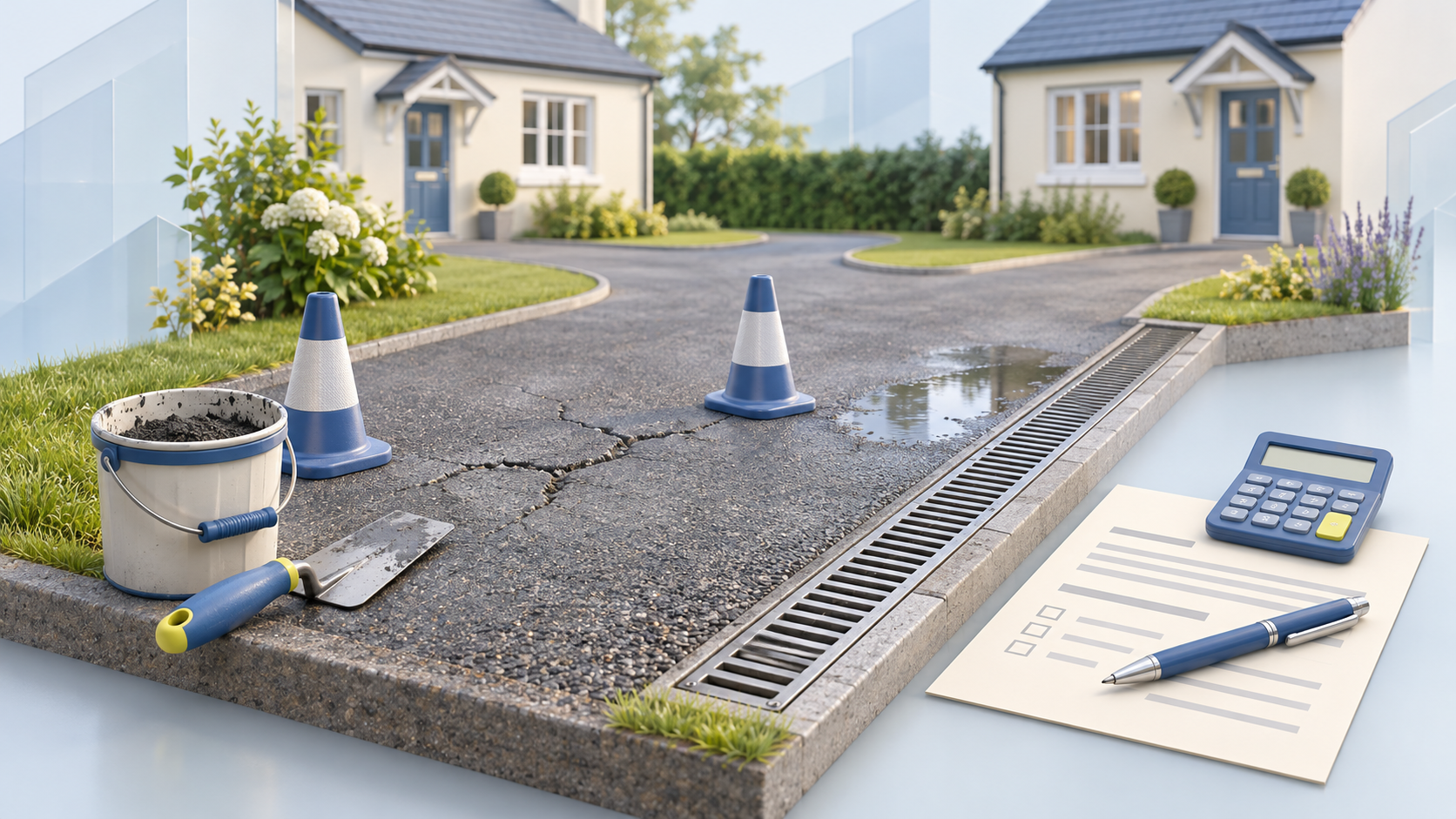
Water can create expensive conflicts. Determine where runoff travels, who maintains drains or culverts, and whether prior repairs redirected water toward a neighboring property.
The inspector can evaluate visible condition, but drainage or structural concerns may require an appropriate specialist. Obtain estimates before deciding whether the condition fits the budget.
6. Ask about insurance
Homeowners policies may not treat every shared surface, detached structure, or liability event the same way. Give the insurance professional the title and maintenance information needed to evaluate coverage.
Ask who may be responsible if a guest is injured, a contractor damages the surface, or a tree blocks access. Insurance coverage and legal liability are different questions, so consult the appropriate professionals.
7. Understand appraisal and marketability concerns
An appraiser may consider whether the access arrangement is typical and accepted in the local market. A well-documented shared driveway may have little adverse effect, while unclear access or visible disputes may affect marketability.
An appraisal does not replace legal review. It addresses value and market acceptance for the assignment, not whether the buyer is comfortable with every provision.
8. Learn the dispute history
Ask the seller in writing about past disagreements, unpaid repair costs, blocked access, boundary disputes, litigation, or insurance claims. Review disclosures and relevant title exceptions.
Neighbor comments can provide context but are not a substitute for documents. The current neighbor may move immediately after closing.
Because title monitoring services do not resolve access or ownership defects, review the recorded documents directly. Wonder Rates’ guide to home title protection and public-record monitoring explains what monitoring services can and cannot do.
Section 05
Questions to Ask Before Removing Contingencies
- Who owns the land under the driveway?
- Which recorded document grants access?
- Does the easement cover guests, deliveries, contractors, and emergency vehicles?
- Is parking permitted anywhere on the shared area?
- How are ordinary and major repairs allocated?
- Are any owners behind on maintenance payments?
- Is there a reserve fund?
- Who controls gates, lighting, drainage, or snow removal?
- Has the driveway location changed since the easement was recorded?
- Does the lender require additional documentation?
- Will the title policy insure the access right as expected?
Section 06
How a Shared Driveway Can Affect the Mortgage Process
The lender may review the appraisal, title report, easement, maintenance agreement, and access. A missing or inadequate document can delay underwriting while the parties seek clarification.
This is a property issue, not just a borrower issue. A strong credit profile does not cure unclear legal access. The guide to what happens during mortgage underwriting explains why property documentation can become an approval condition.
If a new agreement must be recorded, coordinate early with the title company, lender, seller, and attorneys. Do not assume closing can occur while the parties settle the issue afterward.
Wonder Rates’ article on mortgage closing delays explains how unresolved third-party and property items can affect a closing schedule.
Section 07
When to Walk Away or Renegotiate
A shared driveway is not automatically a reason to reject a home. Pause when legal access is unclear, the actual route conflicts with recorded documents, major repairs are imminent with no cost-sharing process, or an active dispute threatens ordinary use.
Possible responses may include requesting documents, negotiating repairs or credits, extending a contingency, revising the agreement through qualified professionals, or choosing another property. The right response depends on the contract, deadline, local law, financing, and risk tolerance.
Section 08
Frequently Asked Questions
Can a lender approve a home with a shared driveway?
Potentially. Approval depends on legal access, property eligibility, appraisal, title, program, and lender requirements. A shared driveway alone does not determine the result.
Is a verbal agreement with the neighbor enough?
Do not rely on a verbal arrangement for a major property right. Ask a qualified attorney and title professional whether the recorded documents provide adequate rights and obligations.
Who pays to repair a shared driveway?
The answer may come from a recorded agreement, deed, association documents, or state law. Review the actual governing documents rather than assuming equal shares.
Does a home inspection cover driveway ownership?
No. An inspector may comment on visible condition, but title, easement, boundary, and ownership questions require different records and professionals.
Can a neighbor block a shared driveway?
The rights and remedies depend on the easement, other recorded agreements, and applicable law. Obtain legal advice for an actual obstruction or dispute.
Section 09
Review Access Before You Commit
The best time to understand a shared driveway is before contingencies expire. Confirm legal access, compare the documents with the property, evaluate maintenance and insurance, and give the lender time to review the arrangement.
Get started with Wonder Rates to discuss financing for a property with a shared driveway or private-road arrangement.
Duc Pham, Mortgage Broker | NMLS# 844897
Wonder Rates, Inc. | NMLS# 1518655
Equal Housing Lender.
AZ, CA, CO, FL, GA, LA, MI, OK, PA, SC, TX, VA, WA, OH, AL, OR, NC
This article is for educational purposes only and is not legal, title, insurance, real estate, or lending advice. Access rights, maintenance obligations, property eligibility, and lender requirements depend on the documents, jurisdiction, property, loan program, and lender. Consult qualified professionals for your transaction.