Section 01
Do Venmo and Zelle Transfers Need to Be Reported to the IRS?
Most people confuse Venmo and Zelle because they both move money between people. But the IRS treats them completely differently. One platform is required to report your transactions to the IRS under certain conditions. The other never does, regardless of the amount.
What this article covers: As a loan officer who works closely with self-employed borrowers, investors, and small business owners, I see how payment app income gets misreported or misunderstood every mortgage season. This guide explains the 2026 IRS rules for Venmo and Zelle, who needs to report what, and what this means for your financial picture when you apply for a home loan.
Section 02
The Core Difference: TPSO vs. Bank Network
To understand why Venmo and Zelle get treated differently, you need to understand one term: Third-Party Settlement Organization, or TPSO.
A TPSO is a platform that holds funds, settles transactions between buyers and sellers, and acts as an intermediary. PayPal, Venmo, Cash App, and similar apps fall into this category. Under 26 U.S.C. § 6050W, TPSOs are required to report goods and services transactions to the IRS once users cross a reporting threshold, by issuing Form 1099-K.
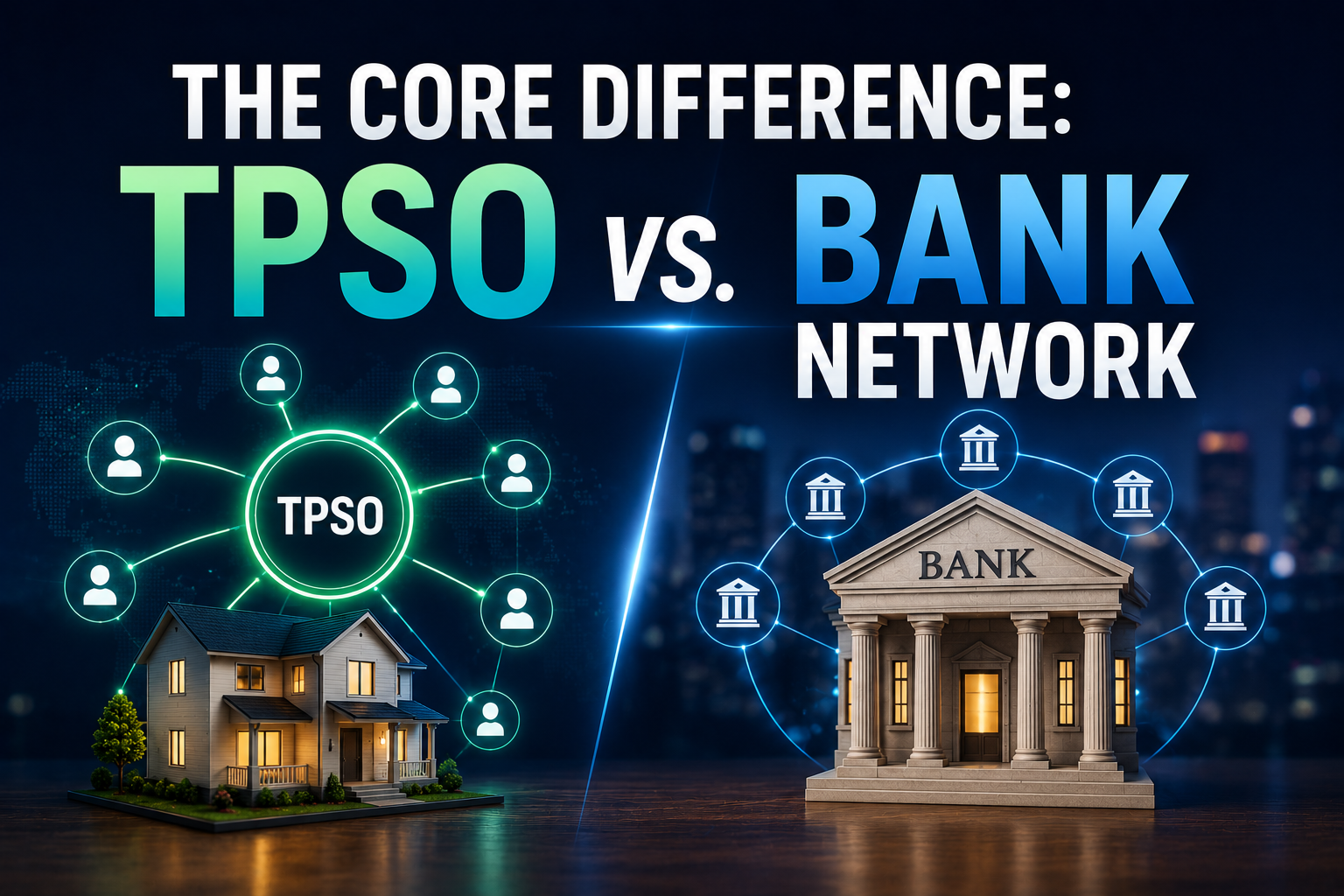
Zelle works differently. Zelle never holds your money. It does not settle transactions. It is a messaging layer that connects your bank to someone else’s bank. The actual funds move directly between financial institutions. Because Zelle does not fit the legal definition of a TPSO, it is not required to issue Form 1099-K to users or to the IRS, regardless of the amount transferred.
This is not a loophole. It is a structural distinction in how the two platforms work.
Section 03
The 2026 Venmo Reporting Rules
What Threshold Applies in 2026?
The 1099-K reporting threshold for Venmo and similar platforms has changed multiple times in recent years. Here is where things stand now.
The One Big Beautiful Bill Act, signed into law on July 4, 2025, permanently reinstated the original federal threshold. For 2026, Venmo is required to issue Form 1099-K only when a user receives more than $20,000 in goods and services payments AND has more than 200 separate transactions in the calendar year. Both conditions must be met.
The $600 threshold introduced by the American Rescue Plan Act of 2021 was delayed by the IRS three times and was ultimately repealed before it took effect at the federal level.
| Tax Year | Federal 1099-K Threshold (Venmo/PayPal) |
|---|---|
| 2022 | $20,000 and 200+ transactions |
| 2023 | $20,000 and 200+ transactions (IRS delayed lower threshold) |
| 2024 | $5,000 (transitional phase-in) |
| 2025 | $20,000 and 200+ transactions (OBBBA reinstated) |
| 2026 | $20,000 and 200+ transactions (permanent) |
Source: IRS IR-2025-107; One Big Beautiful Bill Act, Section 70432 (signed July 4, 2025). Some states have lower thresholds. Vermont, Massachusetts, Maryland, Virginia, and others may require 1099-K issuance at $600 regardless of federal rules. Confirm your state’s threshold with a CPA.
What Counts Toward the Threshold?
Only payments tagged as goods and services count. Personal transfers, splitting a dinner bill, paying a roommate, sending a gift, do not count and are not reported. Venmo distinguishes between these transaction types at the point of payment.
The problem is accidental tagging. If a friend pays you for something personal and accidentally tags it as a goods and services payment, that amount counts toward your threshold. Resolving mistagged transactions requires contacting the platform directly.
What If You Receive a 1099-K?
Receiving a Form 1099-K does not automatically mean you owe tax on the full amount. It means Venmo reported those transactions to the IRS. You are responsible for determining which of those payments represent taxable income and which do not.
If your 1099-K includes non-taxable payments such as reimbursements or personal transfers that were incorrectly tagged, you can offset those amounts on Schedule 1 of your tax return. The IRS has published guidance on this. A CPA can walk you through the process if your 1099-K includes amounts that are not actual income.
Section 04
The 2026 Zelle Rules
Does Zelle Report to the IRS?
No. Zelle does not issue Form 1099-K and does not report transactions to the IRS, for any amount, in any situation. Zelle has confirmed this publicly: because it does not hold funds or settle transactions, the 1099-K reporting requirement does not apply to the Zelle Network.
This does not mean Zelle income is tax-free.
Does That Mean Zelle Income Is Not Taxable?
No. It means Zelle does not file a form on your behalf. Your tax obligations exist regardless of whether a platform reports for you.
If you receive payment through Zelle for goods or services, that income is taxable. You are responsible for tracking it and reporting it on your tax return. The absence of a 1099-K does not change what you owe. It shifts the documentation burden entirely to you.
This is actually a more complicated situation than receiving a 1099-K. When you get a 1099-K from Venmo, at least you have a starting point. With Zelle, you need to track every business-related payment yourself throughout the year.
For self-employed individuals, business clients who pay you $600 or more via Zelle in a calendar year are required to issue you a Form 1099-NEC directly, since Zelle does not handle that reporting automatically.
Section 05
Side-by-Side: Venmo vs. Zelle Under IRS Rules
| Factor | Venmo | Zelle |
|---|---|---|
| Platform type | TPSO (third-party settlement organization) | Bank-to-bank network (not a TPSO) |
| Issues Form 1099-K? | Yes, when threshold is met | Never |
| 2026 federal threshold | $20,000 + 200 transactions (goods and services only) | N/A |
| Personal transfers reported? | No | No |
| Business income taxable? | Yes | Yes |
| Who tracks business income if no 1099-K? | Venmo (at threshold) | You |
| Payer 1099-NEC obligation? | Reduced when app handles reporting | Full obligation at $600+ |
Section 06
Common Misconceptions Worth Clearing Up
“Zelle is safer from IRS scrutiny because it does not report.”
This misunderstands what reporting does. The IRS does not audit you because a 1099-K was filed. It audits because income was not reported. The fact that Zelle does not file a form does not reduce your risk if you are underreporting business income. It may actually increase scrutiny if your deposits do not match your reported income on a tax return.
“The $600 rule is now in effect.”
At the federal level, this is not accurate. The $600 threshold was permanently repealed by the One Big Beautiful Bill Act in July 2025. The 2026 federal threshold is $20,000 and 200 transactions. Some states have their own lower thresholds. Check your state’s specific rules.
“Personal payments on Venmo are always safe.”
Personal transfers are not reported and do not count toward the 1099-K threshold. But if a payment is tagged incorrectly as goods and services, either by you or the person paying you, it counts. Pay attention to how each payment is categorized at the time of the transaction.
“If I split business income across Venmo and Zelle, I stay under the threshold.”
Splitting payment methods does not reduce your tax liability. All taxable business income must be reported regardless of how it was received or whether any platform issued a form. Using multiple platforms does not change what you owe.
Section 07
What This Means When You Apply for a Mortgage
This is where I see the most confusion from borrowers.
When you apply for a mortgage, lenders verify your income through tax returns, bank statements, and sometimes 1099s. If you are self-employed or a freelancer and a portion of your income comes through Venmo or Zelle, how you handle your taxes directly affects how much income a lender can count.
Income that was received but not reported on your tax return does not count for mortgage qualification. It does not matter that the money is sitting in your bank account. If it is not on your return, most loan programs will not let us use it.
For borrowers who receive Zelle payments for business work, the absence of a 1099-K means that income needs to be properly tracked and reported on Schedule C each year. Borrowers who have been depositing Zelle income without reporting it cannot suddenly claim it as qualifying income when they apply for a loan.
This is not a trap. It is a documentation issue that can often be resolved with proper tax filing over one to two years before applying. If you are in this situation, talk to a mortgage adviser and a CPA together, not separately. The plan for your taxes and the plan for your mortgage qualification need to be coordinated.
Section 08
Frequently Asked Questions
Does Venmo Report My Payments to the IRS in 2026?
Yes, under specific conditions. Venmo files Form 1099-K when your goods and services payments exceed $20,000 and you have more than 200 transactions in the calendar year. Personal transfers are excluded. The $600 federal threshold that circulated for several years was permanently repealed by the One Big Beautiful Bill Act, signed July 4, 2025. Check your state’s rules separately, as some states require reporting at lower thresholds.
Does Zelle Report Transactions to the IRS?
No, and it will not under current law. Zelle is a bank-to-bank transfer network, not a third-party settlement organization. It never holds funds. For that reason, the IRS 1099-K reporting requirement does not apply to Zelle. But that does not mean Zelle income is not taxable. Business income received through Zelle must be tracked and reported by you.
Do I Owe Taxes on Zelle Payments Even Though Zelle Does Not Report Them?
Yes. Whether or not a platform files a form has no bearing on what you owe. All business income is taxable. The IRS does not require a 1099-K to exist before it expects you to report income. If you receive payment through Zelle for goods or services, that income goes on your tax return.
What Is the Venmo 1099-K Threshold in 2026?
More than $20,000 in goods and services payments and more than 200 transactions in the same calendar year at the federal level. Both conditions must be met. Some states apply their own lower thresholds regardless of federal rules. Confirm with a CPA which threshold applies in your state.
Can Venmo or Zelle Income Be Used to Qualify for a Mortgage?
Yes, if it is reported on your tax returns. Lenders use your filed returns to document self-employment income. Money deposited into your bank account that was not reported to the IRS typically cannot be counted for qualification purposes. If you are self-employed and receive income through these platforms, how you file taxes now directly affects your mortgage options in the future.
What If My 1099-K Includes Amounts That Are Not My Income?
You are not required to pay tax on non-taxable amounts that appear on a 1099-K. You offset them on Schedule 1 of your return with documentation. The IRS has published a process for this. If your 1099-K includes personal reimbursements or transactions that were mistagged as goods and services, a CPA can help you handle the reconciliation correctly.
Section 09
The Bigger Picture: Your Financial Record Starts Now
I work with a lot of self-employed borrowers, freelancers, and small business owners who want to buy a home. The most common problem I see is not that they do not earn enough. It is that their reported income does not match what they actually earn.
Two years of clean tax returns showing your actual income is the foundation of a mortgage application. If you are receiving business income through Venmo, Zelle, or any other platform, how you handle it on your taxes now determines what you can qualify for later.
The earlier you get this right, the more options you have.
Disclaimer: This content is for educational and informational purposes only and should not be considered financial, tax, or legal advice. Tax rules referenced in this article are based on federal law as of July 2026 and are subject to change. State rules vary. Consult a licensed CPA or tax professional for guidance specific to your situation before making any filing or financial decisions.
Duc Pham, Mortgage Broker | NMLS# 844897,
Wonder Rates, Inc. | NMLS# 1518655 | DRE# 02047445 | DFPI# 60DBO-59134 |
Equal Housing Opportunity. Equal Housing Lender. |
Licensed in: AL, AZ, CA, CO, FL, GA, LA, MI, NC, OH, OK, OR, PA, SC, TX, VA, WA.