

Section 01
Buying a home after identity theft may still be possible, but the borrower should identify fraudulent accounts, protect personal information, dispute inaccurate reporting, and keep a complete recovery file before applying for a mortgage. The right timeline depends on what was stolen, which records were affected, and how quickly creditors and credit bureaus correct the information.
Do not begin by chasing a particular credit score. Begin by separating legitimate obligations from fraud and documenting every action. A lender needs an accurate, verifiable financial picture, not a temporarily improved number built on unresolved errors.
Section 02
How Identity Theft Can Affect a Mortgage Application
Identity theft can create unfamiliar credit cards, loans, collections, inquiries, addresses, or personal information. It can also affect bank accounts, tax records, employment records, government benefits, or identification documents.
A mortgage review may examine credit history, debts, recent inquiries, assets, income, identity information, and the source of funds. Fraudulent data can cause delays, create unexplained obligations, or conflict with other application documents.
The lender cannot simply ignore an account because the borrower says it is fraudulent. The borrower may need to provide dispute records, identity-theft documentation, creditor correspondence, police reports when applicable, and evidence showing the current status. Requirements vary by program and lender.
Section 03
7 Steps for Buying a Home After Identity Theft

1. Create an official recovery plan
Start at IdentityTheft.gov, the Federal Trade Commission’s identity-theft reporting and recovery resource. It can help victims report the theft and build a recovery plan based on the type of misuse.
Record the date the problem was discovered, accounts affected, people contacted, reference numbers, documents sent, and promised response dates. Use verified contact information from official websites or account statements rather than responding through a suspicious email or text.
Change compromised passwords, enable multifactor authentication where available, and secure email because it may control access to financial accounts.
2. Review all three credit reports
One report may contain information that another does not. Obtain reports through the federally authorized AnnualCreditReport.com site and review names, addresses, employers, inquiries, accounts, balances, payment histories, and collections.
Mark every item as accurate, unfamiliar, or needing more information. Do not dispute legitimate negative information merely because it hurts the score. An accurate credit file is the objective.
Borrowers who need a longer preparation framework can use Wonder Rates 12-month credit rebuilding plan before a mortgage, while treating fraud correction as a separate priority.
3. Consider a credit freeze or fraud alert
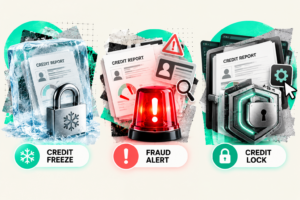
A credit freeze restricts access to a credit file, which can make it harder for an identity thief to open new credit. A fraud alert tells businesses to take steps to verify identity before opening credit.
The FTC explains the differences in its official guide to credit freezes and fraud alerts. A borrower may need to lift or manage a freeze when a legitimate lender pulls credit. Ask the lender which bureaus and timing apply before changing anything.
Freezing credit does not remove existing fraudulent information. It is a protective step, not a dispute resolution.
4. Dispute fraudulent information with the correct parties
Send disputes to the credit bureaus reporting the inaccurate data and contact the company that furnished it. Follow official instructions, provide copies rather than irreplaceable originals, and keep proof of delivery.
State the specific item, why it is fraudulent, and the correction requested. Include only relevant supporting documents. A clear package is easier to track than a long narrative with unrelated information.
Continue monitoring responses. An account disappearing from one report does not prove it was corrected everywhere. Check whether balances, late payments, collections, and personal data were updated across all applicable files.
5. Protect bank accounts and mortgage funds
Mortgage funds require a verifiable paper trail. Identity theft involving a checking, savings, payroll, or payment account can complicate asset verification and create unauthorized transactions.
Tell the financial institution’s fraud department promptly. If an account number must change, keep the closure letter, opening documents, transfer history, and statements connecting the old and new accounts. Avoid moving money repeatedly without a clear reason.
If relatives will help with funds, review the documentation rules for down payment gift funds before deposits occur. A legitimate gift still needs an acceptable source and paper trail under the applicable program.
6. Build a mortgage-ready documentation file
Keep one organized file containing:
- FTC Identity Theft Report or recovery plan.
- Police report, when filed or required.
- Credit reports showing disputed items.
- Dispute letters and delivery records.
- Creditor and collector correspondence.
- Account closure or fraud confirmation letters.
- Corrected statements and updated reports.
- Bank records connecting replaced accounts.
- Government or tax correspondence, if affected.
- A short timeline of events and current status.
Do not send sensitive documents through unapproved channels. Mortgage applicants should follow the lender’s secure upload and privacy instructions.
7. Request a mortgage review before making an offer
Once the recovery file is organized, talk with a licensed loan officer about the current facts. Explain which accounts were fraudulent, what has been corrected, what remains disputed, and whether credit is frozen.
A pre-approval may require more than a score. Wonder Rates’ explanation of what happens during mortgage underwriting shows why credit, debts, income, assets, property, and documentation are reviewed together.
Do not assume that one unresolved dispute will always prevent a loan or that a higher score ensures approval. The program, automated underwriting response, lender requirements, dispute status, and complete application control.
Section 04
Credit Freeze, Fraud Alert, and Credit Lock
These terms are easy to confuse.
| Tool | Main purpose | Important mortgage consideration |
|---|---|---|
| Credit freeze | Restricts access to the credit file | May need to be lifted for an authorized credit pull |
| Fraud alert | Requests additional identity verification | Lender may follow added verification steps |
| Credit lock | A bureau product or service | Terms may differ from a statutory freeze |
Ask the bureau how to manage each tool and keep PINs, passwords, or recovery information secure. Never give a caller remote access to a device to “help” lift a freeze.
Section 05
When Should You Apply for a Mortgage?
There is no universal waiting period after identity theft. A borrower may be ready when identity information is secure, fraudulent accounts are documented, credit reports are substantially accurate, funds are traceable, and the lender can evaluate the remaining issues under the selected program.
Applying too early can create repeated credit pulls, rushed disputes, expired documents, and pressure to meet a purchase contract while corrections remain open. Waiting without a plan can also waste time. A preliminary conversation with a loan officer can identify what is missing without promising approval.
Borrowers comparing professionals can use 10 questions to ask a loan officer and ask specifically how sensitive information is protected.
Section 06
Mistakes to Avoid During Recovery
Paying a fraudulent debt without understanding the effect
A payment may be interpreted differently from a fraud dispute and may not remove inaccurate history. Seek qualified guidance before paying an account you believe is not yours.
Hiring a company that promises instant deletion
No company can lawfully promise removal of accurate negative information. Be cautious of upfront fees, pressure, or instructions to misrepresent identity or credit history.
Disputing every negative account
Broad disputes can obscure genuine fraud and create underwriting questions. Challenge specific inaccuracies with evidence.
Opening new accounts to rebuild immediately
New credit may create inquiries, payments, and additional exposure. Discuss timing with the loan officer if a mortgage application is planned.
Hiding the identity theft from the lender
Unexplained conflicts can be more damaging than a documented problem. Provide complete and accurate information through secure channels.
If a lender reaches a decision you do not understand, read why mortgage decisions can differ between lenders. Different requirements do not mean a borrower should omit facts or repeatedly apply without addressing the underlying issue.
Section 07
Frequently Asked Questions
Can I buy a home while accounts are still disputed?
Possibly, but disputed accounts can affect underwriting depending on their type, status, balance, program, and automated or manual review. The lender must evaluate the complete file.
Does a credit freeze hurt my credit score?
A freeze restricts access to the report; it is not a negative credit event. However, it can prevent an authorized lender from completing a credit inquiry until access is properly managed.
Should I use a credit-repair company?
Consumers can dispute inaccurate information themselves. Evaluate any service carefully, avoid promises of certain results, and never follow instructions to create a false identity or submit inaccurate information.
Will an FTC report remove fraudulent accounts automatically?
It is an important recovery document, but consumers must follow the required processes with credit bureaus, creditors, collectors, and affected institutions.
Section 08
Accuracy Before Speed
Buying a home after identity theft requires two projects: recovering control of personal information and preparing a mortgage file that accurately reflects the borrower’s finances. Rushing either one can create delays later.
Start with official reporting, secure the credit files, correct specific errors, protect mortgage funds, and retain every document. Then ask a lender to review the actual file before a purchase contract creates a deadline.
Duc Pham, Mortgage Broker | NMLS# 844897
****Wonder Rates, Inc. | NMLS# 1518655
Equal Housing Lender.
AZ, CA, CO, FL, GA, LA, MI, OK, PA, SC, TX, VA, WA, OH, AL, OR, NC
This article is for educational purposes only and is not legal, credit-repair, cybersecurity, financial, or tax advice and is not a commitment to lend. Credit reporting, dispute outcomes, identity-theft recovery, loan programs, and underwriting requirements vary. Loan approval is subject to the complete application and current guidelines. Use official resources and consult qualified professionals.